Why Torrance's Hard Water Means You Need to Flush Your Tankless Water Heater
If you own a tankless water heater in Torrance, you may have noticed it working a little harder than it used to — longer wait times for hot water, unfamiliar noises, or error codes you can't quite explain. Before you assume the unit is failing, there's a very good chance the real culprit is hiding in your water supply. Understanding why flush tankless water heater maintenance matters starts with understanding what's actually flowing through your pipes.
Torrance sits in a region of Southern California where the municipal water supply consistently tests high in dissolved minerals — particularly calcium and magnesium. This is what's commonly called hard water, and while it's generally safe to drink, it is not kind to water-heating equipment. Over time, those minerals don't just pass through your tankless unit; they stick, layer by layer, to the heat exchanger and internal components, forming a stubborn mineral scale that quietly undermines performance.
This post explains exactly how Torrance's hard water affects your tankless water heater, what symptoms you should watch for, and why routine flushing is one of the most important things you can do to protect your investment. You won't find a DIY tutorial here — this is about helping you recognize the problem and understand what professional service actually does for your system.
What Torrance's Hard Water Does Inside Your Tankless Unit
Torrance water typically measures between 15 and 20 grains per gallon of hardness — well above the threshold where scale begins to accumulate in plumbing and appliances. In a traditional tank water heater, this buildup settles at the bottom of the tank. In a tankless unit, the problem is more concentrated and more damaging. Because water is heated on demand as it passes through a narrow heat exchanger, minerals have the perfect conditions to drop out of solution and bond directly to the metal surfaces.
As scale thickens inside the heat exchanger, the unit has to work significantly harder to bring water up to your set temperature. The heating element or burner runs longer cycles, energy consumption rises, and the components experience more thermal stress than they were designed to handle. What starts as a thin coating can, within a year or two in hard-water areas like Torrance, become a layer thick enough to noticeably restrict water flow and heat transfer.
The corrosive nature of mineral buildup also accelerates wear on seals, valves, and sensors. This means the damage from neglecting maintenance isn't limited to efficiency losses — it can shorten the lifespan of a unit that should otherwise last 20 years by a significant margin.
Why Flush Your Tankless Water Heater: Recognizing the Warning Signs
Scale buildup rarely announces itself all at once. Instead, it shows up gradually through symptoms that are easy to dismiss or misattribute. One of the first things homeowners notice is a reduction in hot water flow rate — the shower pressure feels slightly weaker, or it takes longer than usual for hot water to reach the tap. This happens because mineral deposits narrow the internal passages the water travels through.
Unusual sounds are another reliable indicator. A tankless water heater experiencing scale buildup often produces popping, rumbling, or kettling noises during operation. These sounds occur as water finds its way through heavily coated surfaces and as trapped air or steam pockets form around scale deposits on the heat exchanger. If your unit has started making noises it didn't make when it was new, scale is a very likely cause.
Error codes on the unit's display panel are the most direct signal that something is wrong. Most modern tankless water heaters have sensors that detect when water flow is restricted or when the heat exchanger is running outside of normal temperature ranges — both of which scale can trigger. If you're seeing recurring error codes even after resetting the unit, scheduling a Tankless Water Heater Repair inspection will help determine whether scale damage or a component issue is behind the problem.
How Often Should You Flush, and What Does It Cost?
For most homes in Torrance, annual flushing is the standard recommendation. Given the hardness level of local water, a once-per-year service interval keeps mineral accumulation in check before it reaches the point of causing real damage. Homes that use more hot water daily — larger families, homes with multiple bathrooms running simultaneously — may benefit from flushing every six to nine months. If you have a water softener installed, your technician can advise whether a longer interval is appropriate for your setup.
As for cost, a professional Tankless Water Heater FlushThat figure includes the descaling solution, the flush process itself, and a general inspection of connections and components while the system is being serviced. Compared to the cost of replacing a heat exchanger or an entire unit prematurely, annual flushing is one of the most cost-effective forms of maintenance available to homeowners.
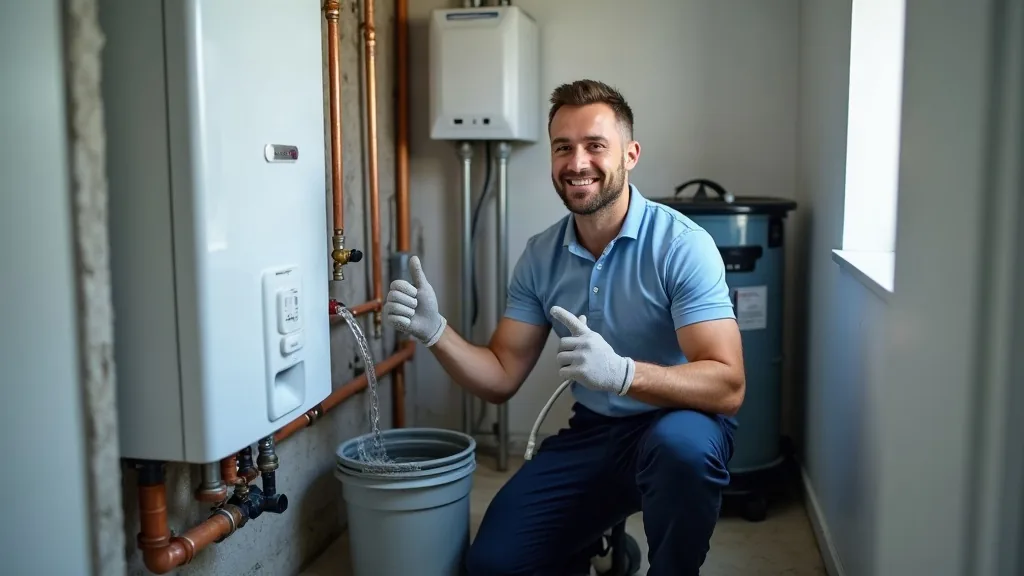
Some homeowners look into tankless water heater flush DIY approaches after seeing the service cost. While flush kits are sold at hardware stores, the process requires isolating the unit, connecting a submersible pump and hoses to the service ports, circulating food-grade white vinegar or a commercial descaler for 45 to 90 minutes, and then properly flushing and restarting the system. Doing this incorrectly can damage valves, void manufacturer warranties, or miss scale in areas a professional would catch during the inspection portion of the service.
Frequently Asked Questions
Need Help? Contact Torrance Water Heater Repair
Local pros are available in Torrance — get a quote today