01
Why Switch from a Tank to a Tankless Water Heater?
space savingsenergy efficiency
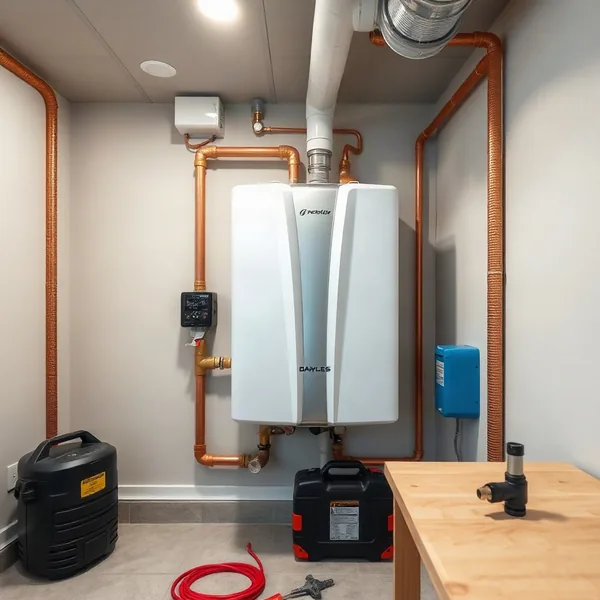
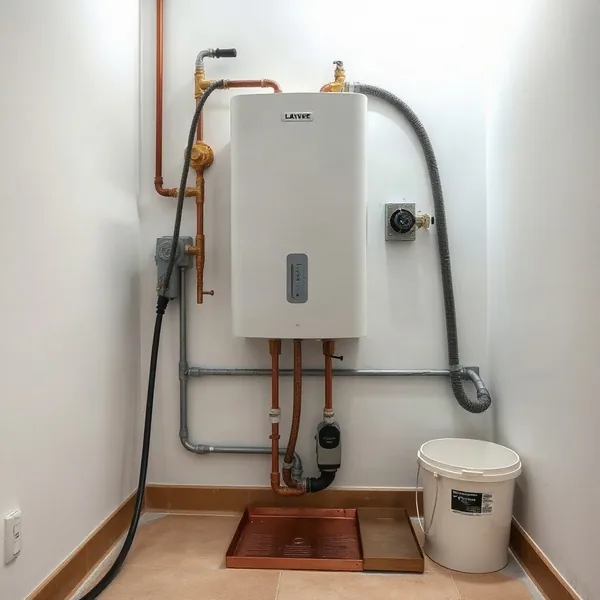
That shift alone cuts gas consumption by 20 to 35 percent for a typical household. In Torrance, where a large share of homes still run the original 50-gallon tank configuration installed decades ago, the space savings from wall-mounting a tankless unit can reclaim a meaningful corner of a utility closet or garage. Torrance's mild inlet water temperatures — rarely below 45°F even in January — mean a tankless unit here runs close to its rated efficiency year-round, unlike units in colder climates that lose ground in winter. Replacing a water heater with a tankless model also removes the slow-drip energy loss that older, uninsulated tanks produce every hour they sit idle.
02
How Much Does Tank-to-Tankless Conversion Cost?
conversion laborventing reroute cost
Homes built in the 1950s through 1970s often need gas line upsizing as well, pushing totals toward the higher end.
03
Can I Replace My Old Tank Water Heater with a Tankless Unit?
existing tank removalcompatible connections
Most Torrance homes can replace a hot water tank with a tankless unit without full remodeling — but the scope depends on what's already in the walls.
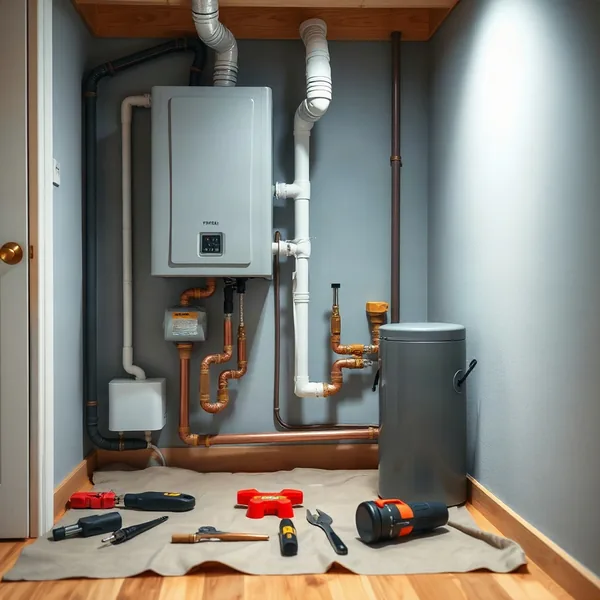
Existing tank removal is straightforward: the technician drains and disconnects the old unit, typically in under an hour. Compatible connections are a separate question. Older homes may have half-inch gas supply lines, outdated flue venting, and no dedicated electrical circuit — all of which may need upgrading before a modern tankless unit can operate safely and legally. California Health and Safety Code Section 19211 also requires seismic strapping on every water heater installation in Torrance, so that's folded into the job whether it's a straight swap or a full conversion. A licensed C-36 plumber can survey your existing setup and give you a clear answer on scope before any work starts, avoiding mid-project surprises.
04
What Changes in Your Home During the Conversion?
gas line upsizingelectrical panel capacity
Several systems inside your home see changes during a tank-to-tankless conversion, and a licensed technician will address each one under a City of Torrance permit.
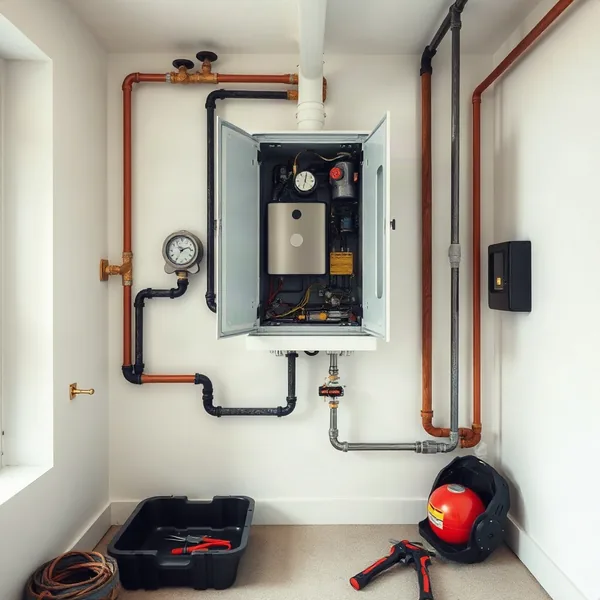
Gas line upsizing is the most common structural change: tankless units demand 150,000 to 200,000 BTU, and older Torrance homes frequently have half-inch lines sized for far lower loads. Upgrading to three-quarter-inch pipe is standard practice. If you're installing an electric tankless model, the panel must supply a dedicated 240V circuit with a 60- to 150-amp breaker — your technician will evaluate electrical panel capacity before recommending a unit. Venting is always modified: tankless exhausts run separately from standard tank flues, and all materials must comply with California Title 24 energy standards. Seismic strapping for the new wall-mounted unit is also required under state law — it's not an option.
05
Is Tank-to-Tankless Conversion Worth It for Torrance Homes?
SoCalGas rateslong-term savings
For most Torrance households, the conversion pencils out over a 5- to 10-year horizon, especially with SoCalGas rebates narrowing the upfront gap.
Torrance's Mediterranean climate is a real factor here: because incoming water temperatures stay relatively stable year-round, tankless units rarely lose efficiency to cold groundwater the way they can in colder states. Long-term savings stack on top of the practical benefits — the space savings from removing a bulky 50-gallon tank matter in the compact utility areas common in Torrance's older housing stock. Units that qualify under ENERGY STAR certification may be eligible for SoCalGas rebate programs, and all installed equipment must meet California Title 24 minimum energy factor requirements to be legally placed in service here.