01
Why Is My Water Heater Pressure Relief Valve Leaking?
thermal expansionT&P valvetank pressure
A water heater pressure relief valve leaks because the tank is under too much pressure, the water temperature is spiking, or the valve itself has worn out — and all three causes are common in Torrance homes built between the 1950s and 1970s.
The T&P valve is engineered to open automatically when tank pressure exceeds its rated threshold, typically 150 PSI, or when water temperature climbs past 210°F. If your hot water heater pressure relief valve is leaking constantly, that's either the valve doing exactly what it was built to do, or the seat has corroded enough to drip even when conditions are normal. Hard municipal water in Torrance accelerates that mineral buildup, shortening valve lifespan faster than manufacturers' 5–7 year estimates suggest.
02
What Causes Constant Dripping From the Relief Valve?
expansion tankhigh water pressure
Constant dripping almost always points to one of two root causes: elevated incoming water pressure or a closed plumbing system with no expansion tank.
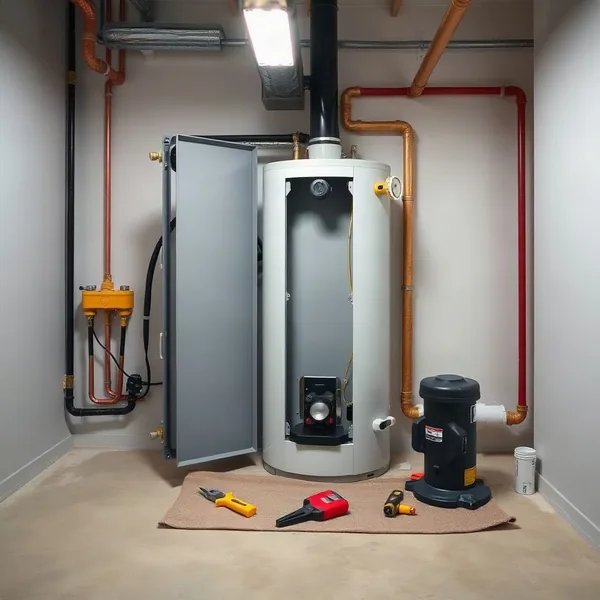
When the city supply pressure exceeds 80 PSI — not unusual in parts of Torrance — heated water has nowhere to expand and pushes steadily against the T&P valve seat. Without an expansion tank absorbing that thermal expansion, the valve may discharge a small stream every time the burner cycles. A technician will measure your supply pressure with a gauge before recommending a path forward.
03
Are Water Heater Pressure Relief Valves Universal?
pressure ratingtemperature rating
No — pressure relief valves are not universal, and installing the wrong one creates a real safety hazard.
Every valve carries a specific pressure rating (commonly 75 or 150 PSI) and a temperature rating (most residential units open at 210°F), and the replacement must match the figures printed on both the old valve and the water heater's data plate. A valve rated too low will trip constantly; one rated too high may never open when it should. California's Title 24 standards add another layer: compliant units are not always the same models sold nationally, which can affect parts availability in Torrance. Confirm that your technician matches the exact pressure and BTU rating — never accepts a generic substitute.
04
What Is the Pressure Relief Valve on a Water Heater?
T&P valvesafety device
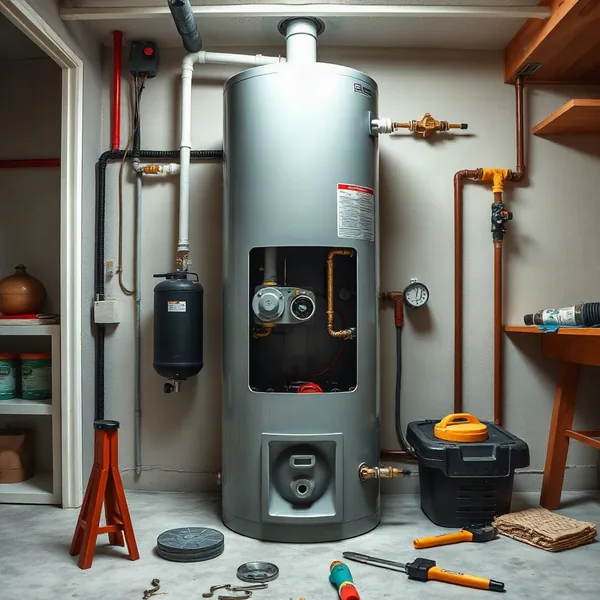
The T&P valve — short for temperature and pressure relief valve — is a small but critical safety device mounted near the top of a tank water heater.
It opens automatically if tank pressure climbs above its rated limit or if water temperature exceeds a safe threshold, releasing water or steam through the discharge pipe to prevent a potentially catastrophic failure. Without a functioning T&P valve, a water heater under runaway pressure can rupture. California code requires this valve on every residential tank installation, and Torrance technicians must verify it is correctly installed and routed before completing any service call involving the tank.
05
Replacing a TPR or T&P Valve: What to Expect
TPR valvedischarge pipe
Replacing a pressure relief valve on a water heater starts with shutting off the gas or power supply and the cold-water inlet, then draining 2–3 gallons from the tank to drop pressure below the valve's threshold.
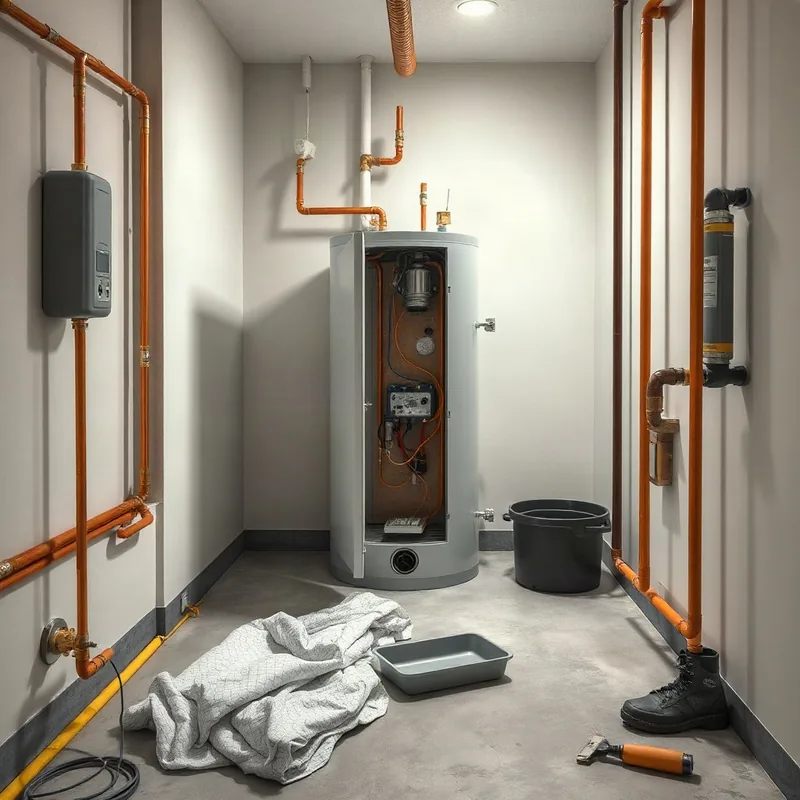
The technician removes the discharge pipe first, then unscrews the old TPR valve and checks the threaded port for corrosion or scale. A new valve, matched to the tank's rated specifications, is threaded in with pipe-joint compound and the discharge pipe is reattached — California code requires it to terminate within 6 inches of the floor or drain. The whole swap typically takes 45–90 minutes. In Torrance, a permit may be required if the discharge pipe routing changes, so confirm that with your technician upfront.
06
How to Test a Pressure Relief Valve Without Causing a Leak
lift lever testvalve seat
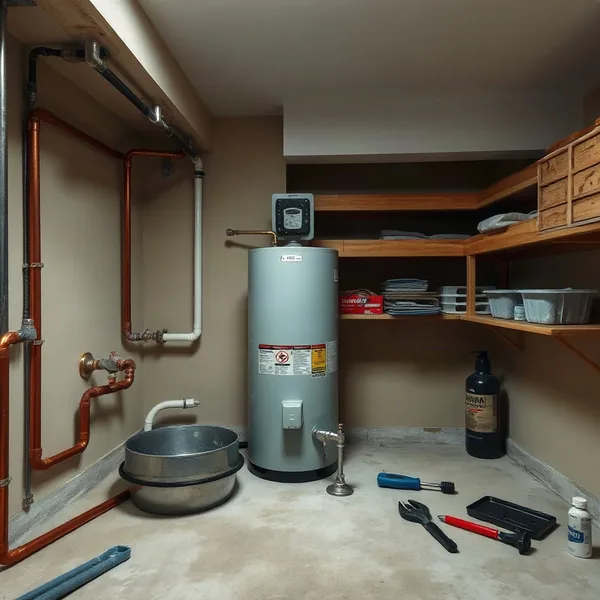
The lift-lever test is the standard method: place a bucket under the discharge pipe, lift the lever for 2–3 seconds, then release it.
Water or steam should flow freely and stop completely the moment you let go. If the valve keeps dripping after the lever drops, the valve seat has likely degraded and the valve needs replacement. If nothing comes out at all, mineral scale may have seized the valve shut — also a replacement situation. One important caution: on units older than 10 years or valves that have never been tested, lifting the lever can break through scale that was acting as an unintentional seal, causing a drip that won't stop. In those cases, call a licensed Torrance technician first.
07
Repair vs Replace: Water Heater Relief Valve Service
valve repairvalve replacement
Water heater pressure relief valve repair in the traditional sense is not really an option — the valve is a sealed safety component, not a rebuild-able assembly.
If the valve seat is worn, the spring is fatigued, or mineral scale has compromised the mechanism, valve replacement is the correct call, not patching. The distinction that matters is whether replacing the valve resolves the problem or whether the tank itself is causing the pressure spike. If high pressure or thermal expansion is forcing the valve open repeatedly, a new valve will fail just as quickly without addressing the root cause — typically an expansion tank or a pressure-reducing valve. A good technician diagnoses both before recommending a fix.