01
Why Does My Hot Water Smell Like Rotten Eggs?
sulfur bacteriaanode rod reaction
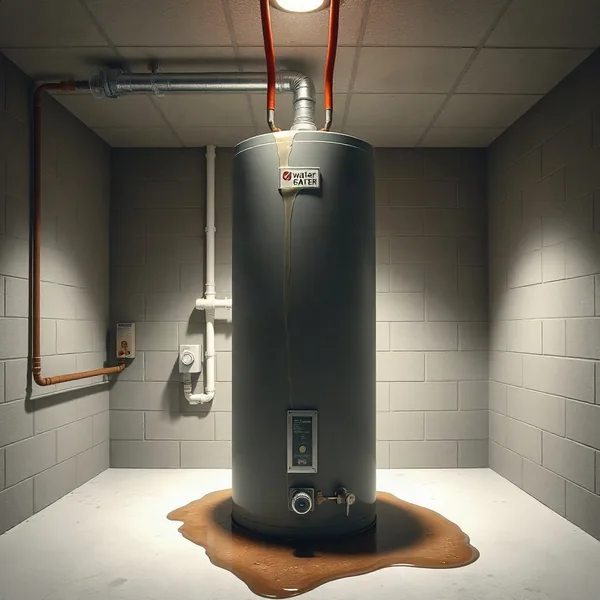
Smelly hot water almost always traces back to sulfur bacteria living inside your water heater tank — not to the water supply itself.
These anaerobic microbes thrive in the warm, low-oxygen environment of a storage tank and react chemically with the anode rod, a sacrificial metal component designed to protect the steel tank from corrosion. That reaction produces hydrogen sulfide gas, which carries the signature rotten egg odor. The smell tends to be strongest when hot water sits unused for 12 hours or more, such as after a weekend away. In Torrance, where a large share of homes rely on 50-gallon tank configurations installed decades ago, this reaction has often been running unchecked for years before homeowners call for help.
02
Is Sulfur Smell From the Anode Rod or Bacteria in the Tank?
magnesium anodebacterial growth
Both are involved, and that distinction shapes which fix actually works.
The magnesium anode — the most common rod type installed in standard tank water heaters — is highly reactive with hydrogen sulfide-producing sulfur bacteria. Magnesium releases electrons aggressively, which keeps the tank walls protected but simultaneously fuels bacterial growth far more than other rod materials do. Bacterial growth alone would be limited without this fuel source, and an anode rod alone wouldn't smell without the bacteria consuming it. A technician who treats only one side of this equation often sees the odor return within a few months. Correctly diagnosing which factor is dominant — heavy bacteria colonization or a particularly reactive rod material — determines whether disinfection, rod replacement, or both are the right call for your tank.
03
Is Smelly Hot Water Safe to Use?
water safetyodor source
For most Torrance homeowners on municipal water, smelly hot water is unpleasant but not acutely dangerous.
The hydrogen sulfide concentration produced inside a residential tank is generally too low to cause harm during a shower. That said, the odor is a reliable signal of active anaerobic contamination inside the tank, and ignoring it lets the problem compound. If the smell appears in both hot and cold lines, the odor source is upstream of your water heater and warrants a separate water quality test. If it's isolated to the hot side only — which is far more common in Torrance — the issue is contained inside the tank and treatable. Acting within a few weeks rather than months prevents the bacterial colony from becoming more entrenched and harder to flush out.
04
How Much Does It Cost to Fix Smelly Hot Water in Torrance?
anode replacement costtank disinfection cost
Homes built between the 1950s and 1970s, which make up a substantial portion of Torrance's housing stock, frequently have older tank configurations where the anode rod port is corroded or difficult to reach, pushing labor toward the higher end of that range. If the tank is aging and odor persists after treatment, a technician may recommend replacement; in that scenario, ask about SoCalGas rebate programs on ENERGY STAR-certified high-efficiency units, which can offset a meaningful portion of a new installation's cost.
05
Can Flushing or Replacing the Anode Rod Solve the Smell?
tank flushaluminum anode rod
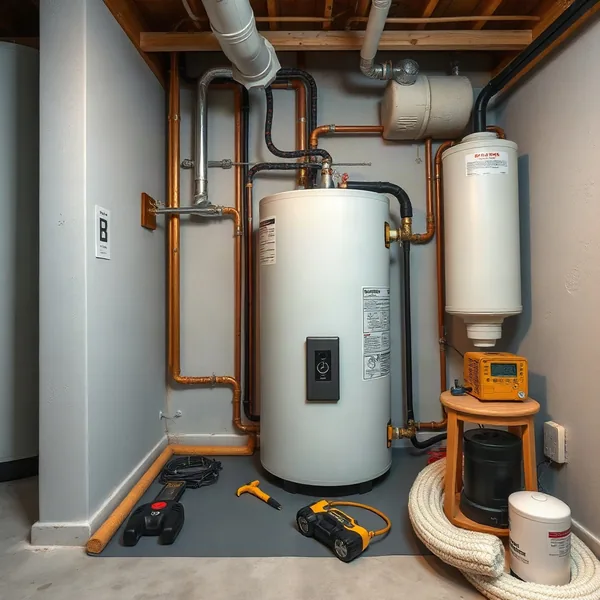
Yes — a tank flush combined with an anode rod swap is the standard two-part solution, and it resolves the smell in most cases within one service visit.
A tank flush removes the sediment layer at the bottom where sulfur bacteria concentrate most densely; skipping this step and only replacing the rod often leaves enough bacterial population to restart the reaction within weeks. Swapping a magnesium anode for an aluminum anode rod — specifically an aluminum-zinc alloy — reduces the chemical reactivity that feeds bacterial growth. The aluminum anode still protects the tank from corrosion but produces far less hydrogen sulfide in the process. In Torrance, where harder municipal water depletes standard rods faster than average, switching rod material addresses both the smell and the premature wear problem at the same time.