
01
How Much Does Anode Rod Replacement Cost?
magnesium rodlabor cost
Catching a failing rod early is almost always less expensive than addressing the tank corrosion that follows an ignored one.
Protect Your Tank from the Inside Out — Serving Torrance Homeowners
Or call directly: (424) 414-1480
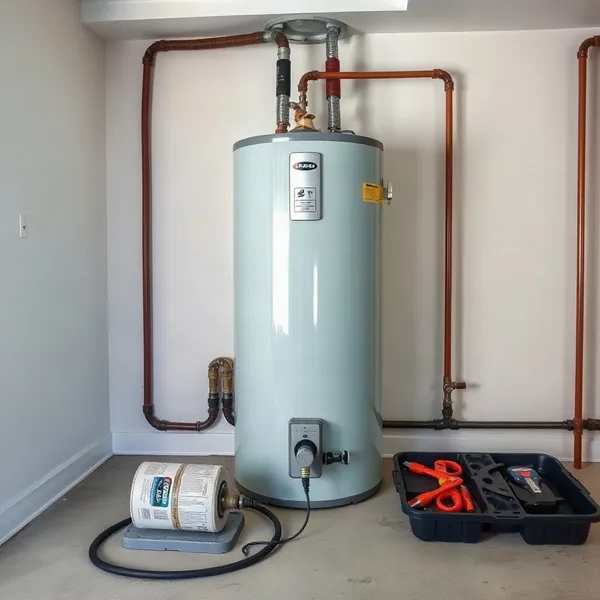
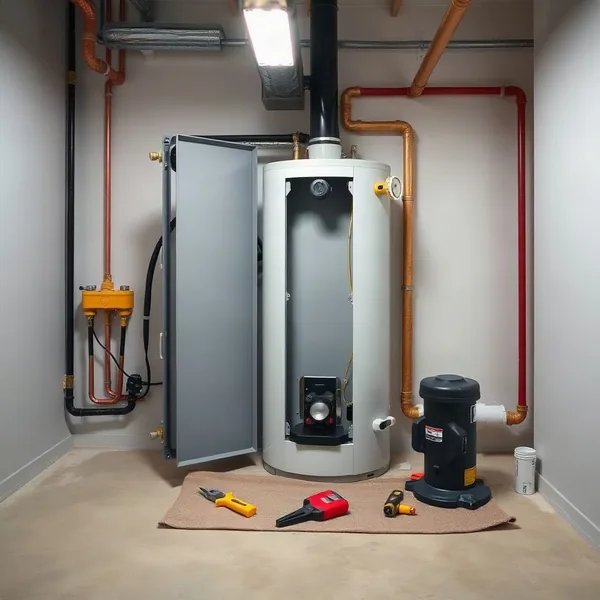
Cold showers in Torrance aren't a small inconvenience — a failing thermostat is often the silent culprit. When your water heater produces lukewarm or scalding water, it's time to change thermostat on water heater before the problem compounds. Local pros also inspect the eco switch during every visit to ensure safe, energy-efficient operation. For complete system health, pair this service with Water Heater Anode Rod Replacement or Water Heater Thermocouple Replacement.
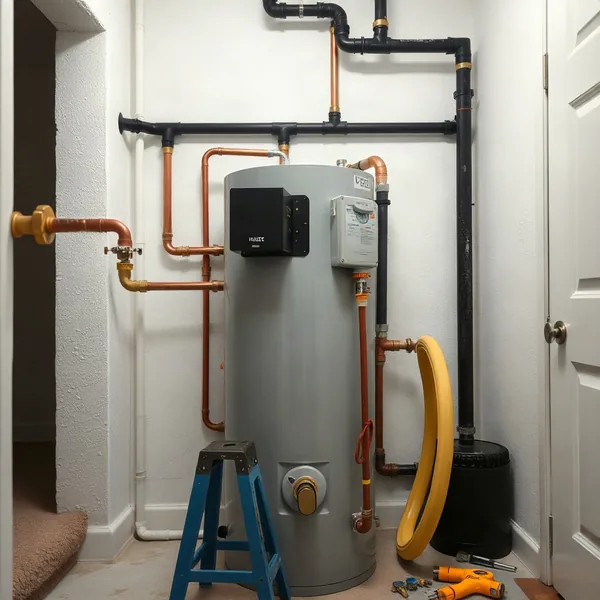
A faulty gas valve doesn't just kill your hot water — it can disrupt pilot ignition and trap dangerous gas pressure inside your tank.. Local pros also inspect related components, including the Water Heater Thermocouple Replacement and Water Heater Pressure Relief Valve Replacement, so no hidden failure gets missed.
Catching a failing rod early is almost always less expensive than addressing the tank corrosion that follows an ignored one.
Yes — the anode rod is the single most important component protecting your tank from the inside.
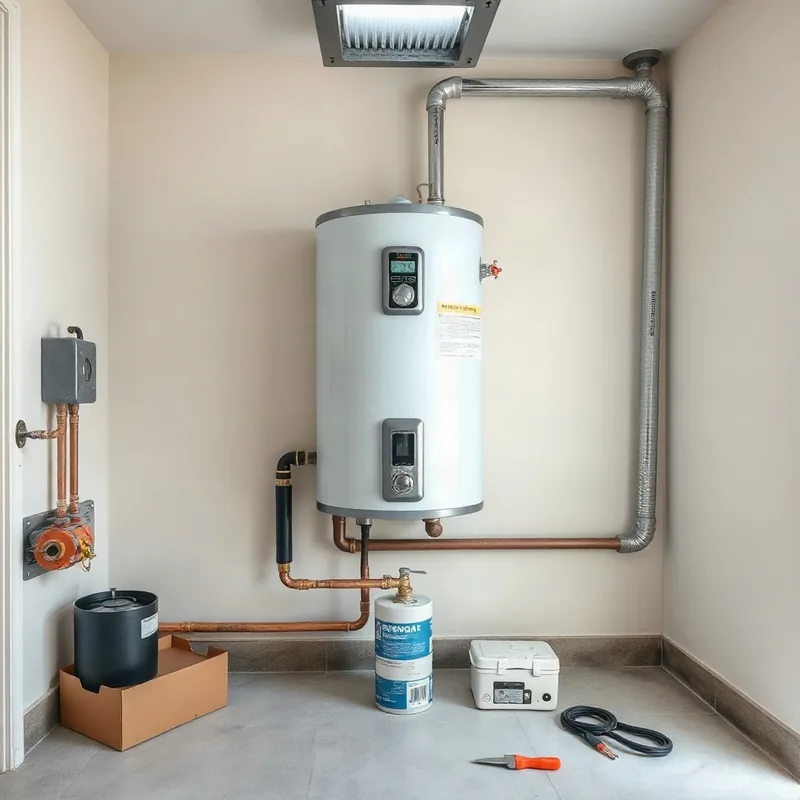
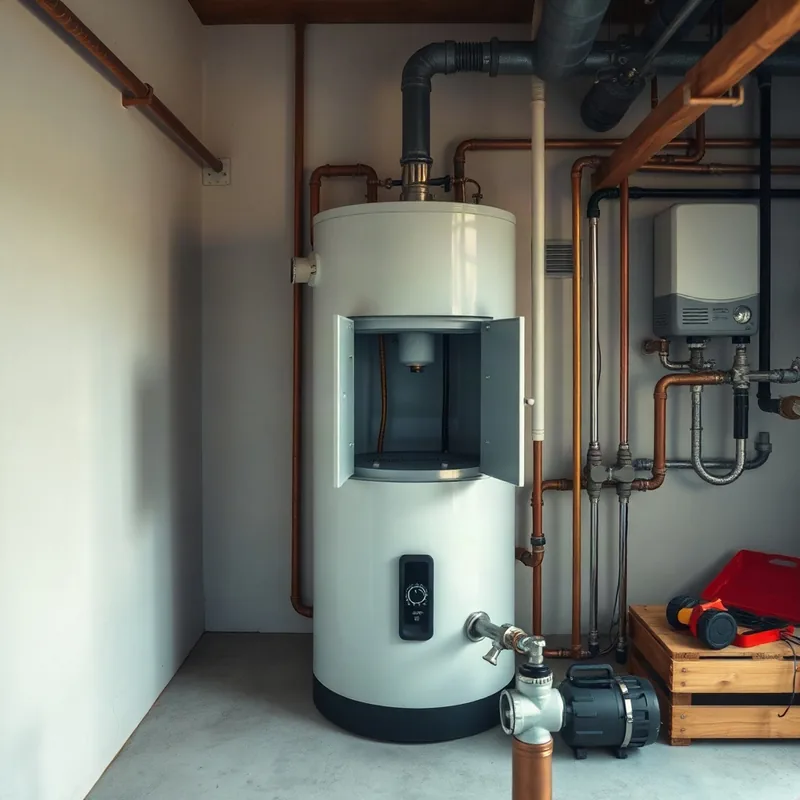
It works as a sacrificial metal, corroding preferentially so the steel lining of your tank does not. Once that rod is consumed, nothing stands between the water and the tank wall, and tank corrosion begins within months. Standard storage tanks have a steel shell that relies entirely on this electrochemical protection to reach a 10–12 year service life. Skip anode maintenance and that number drops sharply. Every tank water heater sold in Torrance — whether gas or electric — includes one from the factory, and keeping it functional is cheaper than any tank replacement.
The clearest warning sign is a rotten egg smell from your hot water taps, which happens when sulfur-reducing bacteria react with a deteriorating magnesium rod inside the tank.
Rust in hot water — orange or reddish discoloration that appears only on the hot side — means internal corrosion has likely started. Hot water heater anode rod removal is often prompted by a popping or rumbling noise, which signals mineral scale accumulation that worsens when the rod is no longer suppressing sediment activity. Water heater anode rod removal for inspection is warranted any time the tank is over five years old and has never been serviced — particularly in Torrance, where hard water accelerates depletion noticeably faster than average.
Each anodized rod water heater option has a distinct trade-off.
A magnesium anode offers the strongest electrochemical protection and is the standard choice for most tanks, but it depletes faster — a real consideration given Torrance's water hardness. An aluminum anode is denser and lasts longer between replacements, though it provides slightly weaker protection and can soften in very hot water, sometimes leaving a gel residue in the tank. A powered anode uses a low-voltage impressed current to protect the tank without any sacrificial material, meaning it never depletes and requires no scheduled replacement — just an annual check of the power supply.
The anode rod for electric water heater models varies by manufacturer, and brand-specific differences matter.
A GE water heater anode rod replacement often requires a 1-1/16-inch socket and may be located beneath a plastic cap on the top of the unit; some GE models use a hex-head rod recessed under the sheet metal. To replace anode rod GE water heater units, technicians need to confirm the thread pitch before sourcing a replacement — cross-threading a new rod causes leaks. Anode rod Whirlpool water heater units follow similar top-access designs but occasionally use a shorter combo rod paired with the hot-outlet nipple. Whirlpool and GE both specify brand-specific rod dimensions, and using an undersized generic rod leaves portions of the tank liner unprotected.
Anode rod replacement starts with shutting off the cold-water supply and connecting a hose for the tank drain — removing a few gallons relieves pressure and reduces spillage when the rod breaks free.
The technician uses a 1-1/16-inch socket wrench with a breaker bar to loosen the rod, which is often torqued tight from years of mineral buildup. Once the old rod is out, the cavity is inspected for calcium scale. The new rod — wrapped with Teflon tape on the threads — is torqued to roughly 40 ft-lbs, the water tank anode replacement is logged, and the tank refills before testing. Changing anode rod hardware on older Torrance tanks sometimes reveals calcium-packed threads; a penetrating lubricant applied 10 minutes before removal makes the change anode rod step significantly easier. Replacing an anode rod in a water heater should take a trained technician 45–90 minutes depending on access.
Torrance water hardness — measurably higher than many inland Southern California communities — is the reason anode rods here deplete 30–40% faster than manufacturer timelines suggest.
Technicians working across the South Bay see tanks from the 1960s-era housing stock that have never had a rod inspected, and the internal corrosion in those units reflects it. Hard water accelerates the electrochemical reaction that eats through the rod, shortening effective protection to 18–24 months in some cases. If your tank is over five years old and you have noticed a sulfur odor or discolored water, request a dispatch through this service today. A local licensed technician will assess the rod, pull any necessary permits through the City of Torrance Building and Safety Division, and verify the seismic strapping is in place while they are on-site.
Trusted water heater repair professionals serving Torrance
No surprise line items appear after the fact — parts and labor cost are quoted together.
Because Torrance's municipal water accelerates rod depletion, local pros recommend inspection every 12–18 months rather than the standard 3-year cycle. Technicians note the rod's remaining diameter on a service tag so you know exactly when the next check is due.
We match the rod to your water chemistry: magnesium anode rods for maximum protection in moderately hard water, aluminum for slower-depleting situations, and powered anodes for homeowners who want a maintenance-free 10-year solution. One recommendation, not a menu.
Hard water in Torrance shortens anode rod life to as little as 18 months in heavily used tanks. Every dispatch includes a water hardness conversation so homeowners understand their specific depletion rate and can schedule future service before the rod fails completely.
Simple steps to get your water heater anode rod replacement done in Torrance
We respond within minutes.
One fixed price for your water heater anode rod replacement — no hidden charges, ever.
We connect homeowners in these ZIP codes with licensed local water heater repairs.
Call to be connected with a licensed local pro in these ZIP codes.
Explore related services.
Professional solutions for Water Heater Thermocouple Replacement
Professional solutions for Water Heater Pressure Relief Valve Replacement
Have more questions? Call us anytime!