01
Why Does My Water Heater Pilot Light Keep Going Out?
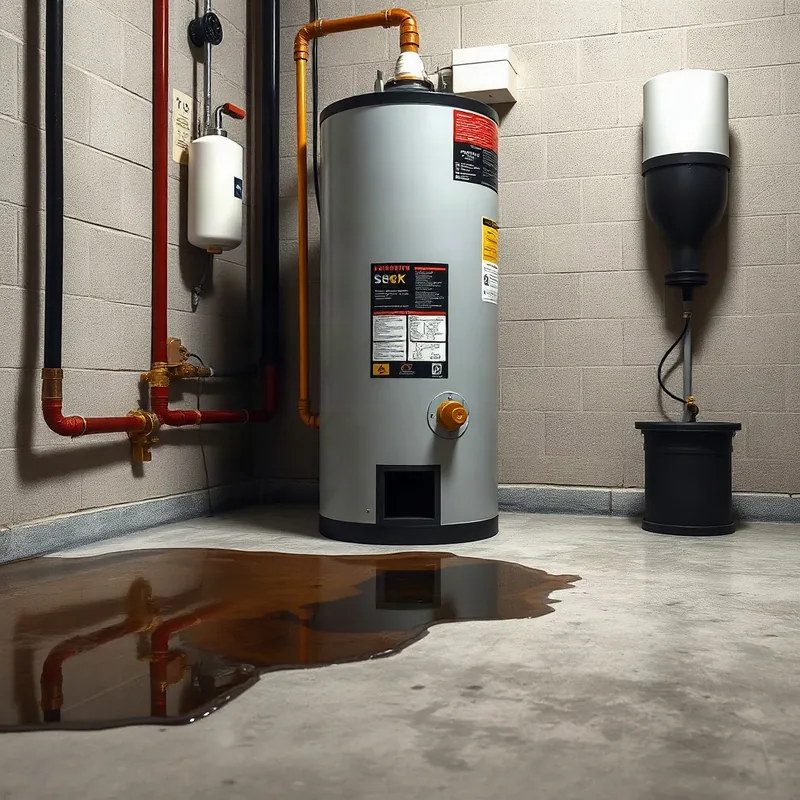
thermocouplepilot assembly
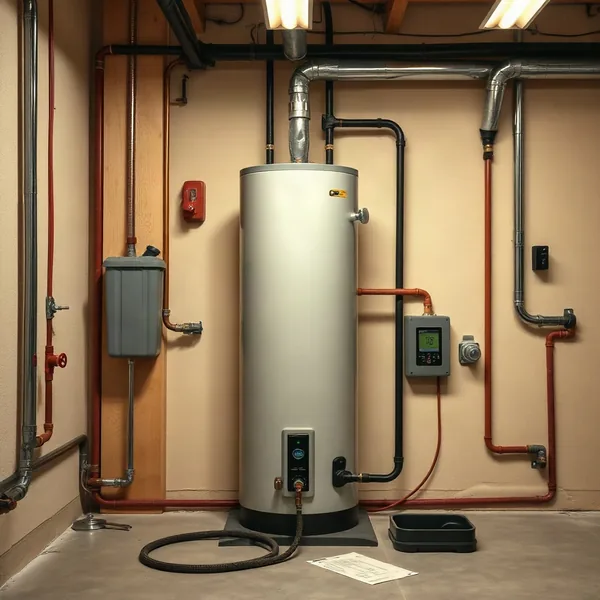
A water heater pilot light keeps going out almost always because the thermocouple has worn out or the pilot assembly is clogged with debris.
The thermocouple is a small heat-sensing rod that sits in the pilot flame; when it generates enough millivolts, it tells the gas valve to stay open. Once it degrades — typically after 7 to 10 years — it cuts gas flow even when the flame is burning normally. A dirty or misaligned pilot assembly can produce a flame too weak to heat the thermocouple adequately. Either way, the water heater pilot goes out and stays out until the faulty part is replaced.
02
Pilot Light Goes Out Every Few Days: What's Different?
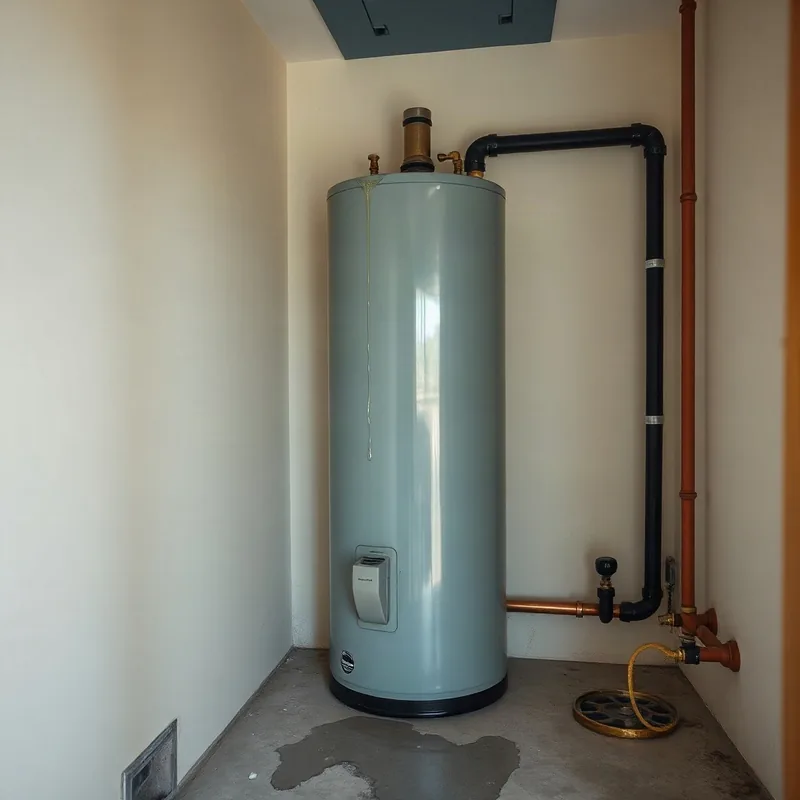
draftventing issue
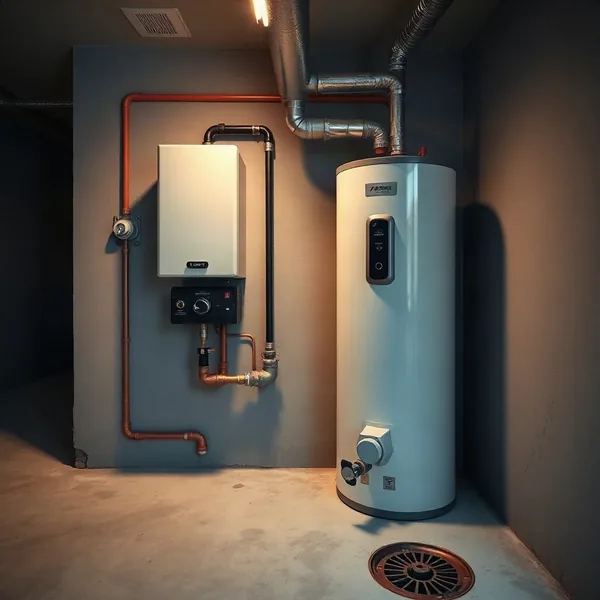
When a water heater pilot light goes out every few days rather than staying out permanently, the culprit is usually a draft or venting issue rather than a fully failed thermocouple.
A nearby bathroom exhaust fan, a wind gust through an attic vent, or a partially blocked flue pipe can push enough air across the burner to extinguish the flame intermittently. In Torrance, many homes built in the 1950s and 1960s have original flue infrastructure that has narrowed from decades of corrosion, making draft-related outages more common than in newer construction. If relighting works for three or four days and then fails again, ask the technician to inspect the full venting path — not just the pilot components.
03
Gas Water Heater Pilot Keeps Going Out: Thermocouple or Draft?
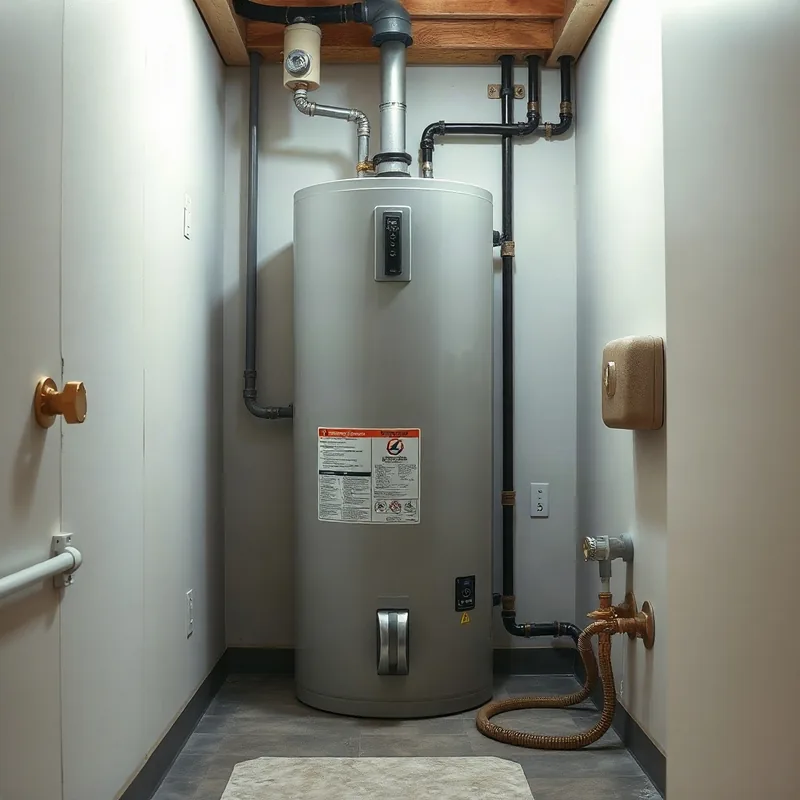
gas control valvethermopile
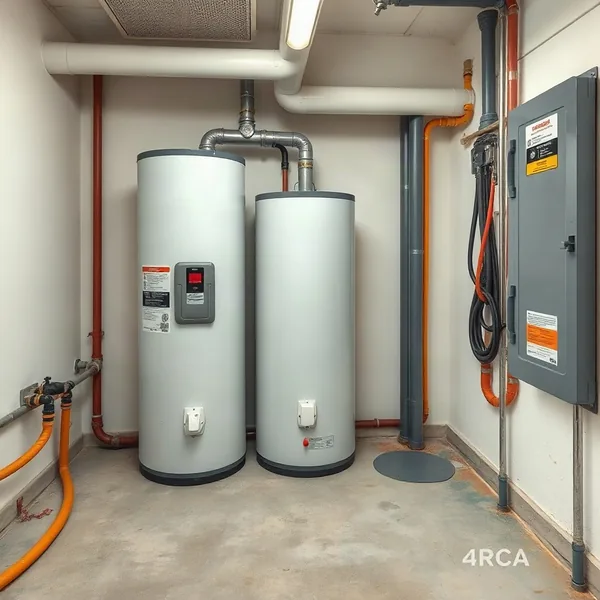
Distinguishing between a thermocouple failure and a draft problem is straightforward for a licensed tech: a millivolt meter on the thermocouple tells the story in minutes.
A reading below 25 millivolts points to thermocouple replacement; a normal reading shifts the investigation to the flue and draft hood. Some older Rheem and Bradford White units also use a thermopile — a cluster of thermocouples that generates higher voltage for electronic gas valves — and that component can fail in the same way. If both the thermocouple and thermopile test fine, the gas control valve itself may be sticking, which is a more expensive fix. A gas water heater pilot that keeps going out despite fresh thermocouple replacement almost always means a draft or valve issue is compounding the problem.
04
How Much Does It Cost to Fix a Pilot Light Issue?
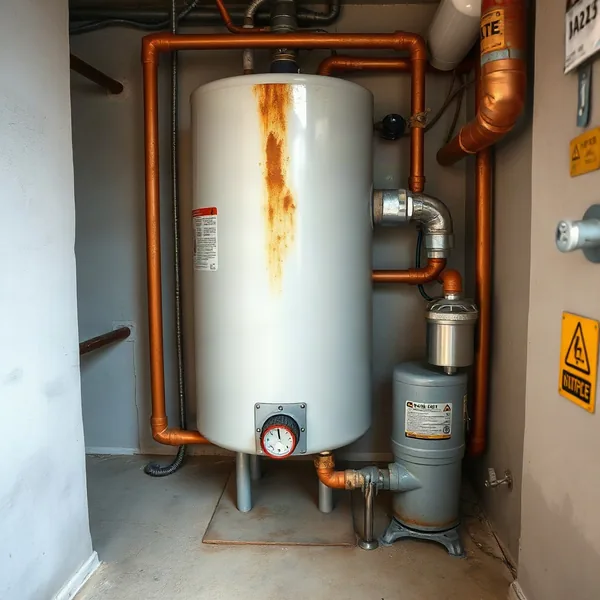
thermocouple costgas valve cost
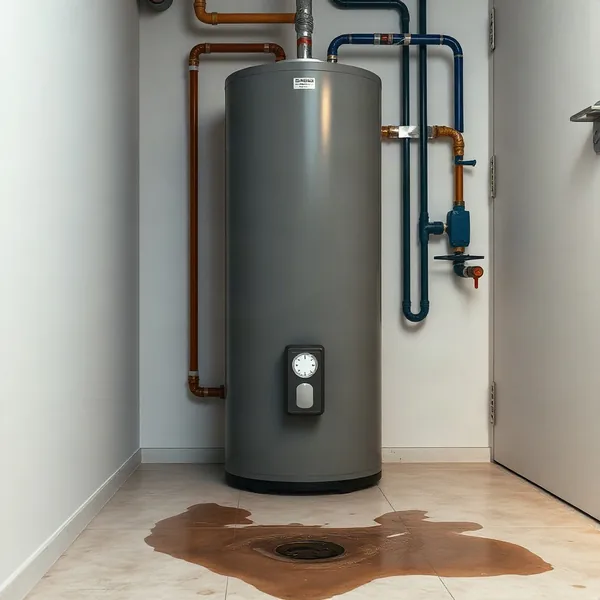
California's Title 24 standards limit which replacement components can be legally installed, and older units from the 1960s-era housing stock common in Torrance sometimes require sourcing specialized parts that push costs toward the upper range. If a tech quotes gas valve replacement on a unit older than 10 to 12 years, compare that figure against a new high-efficiency installation — SoCalGas offers rebates on qualifying ENERGY STAR-certified tankless units that can meaningfully reduce the net replacement cost.
05
Is It Safe to Relight the Pilot Myself?
pilot relight stepsgas safety
Relighting a pilot is safe to attempt yourself — but only when there is no gas smell present.
Follow the pilot relight steps on the label affixed to your unit: turn the knob to OFF, wait five full minutes, set it to PILOT, then press and hold the ignition button while lighting the pilot opening. Hold the button for 30 to 60 seconds after ignition so the thermocouple heats up and signals the valve to stay open. Gas safety rule one: if the pilot fails to stay lit after two or three attempts, stop. Introducing unburned gas into the space is a real risk. Any repair beyond a basic relight — thermocouple swap, valve work, venting adjustment — requires a contractor licensed under California's C-36 Plumbing classification. If you smell sulfur at any point, leave the building and call SoCalGas emergency services at 1-800-427-2200.