01
Why Is My Hot Water Rusty or Discolored?
anode rod corrosiontank rust
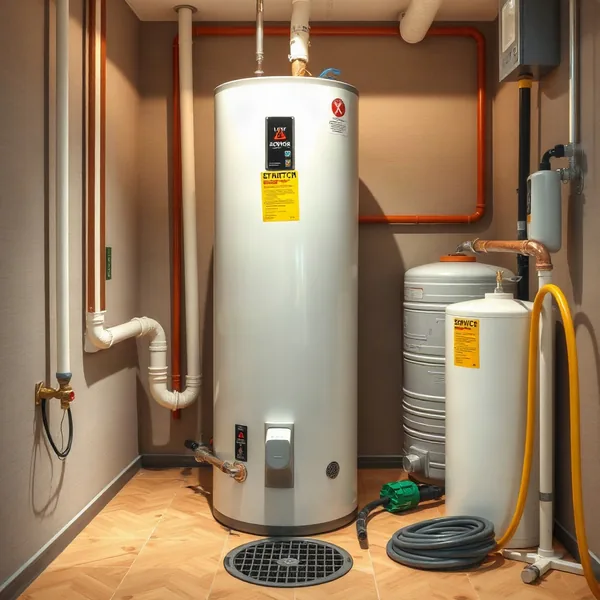
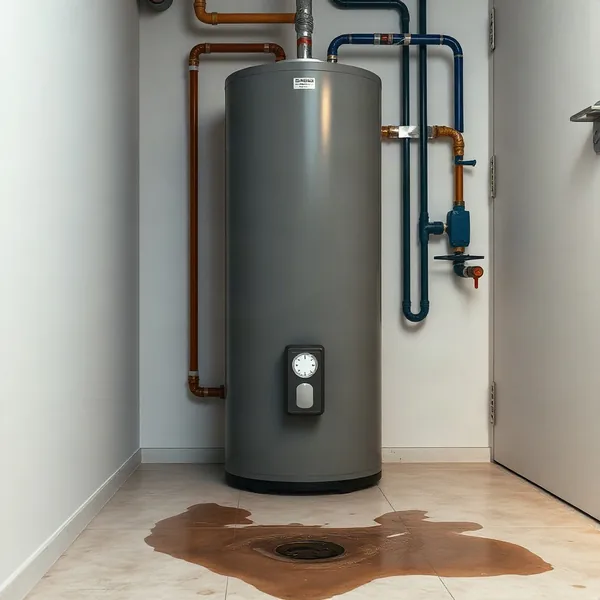
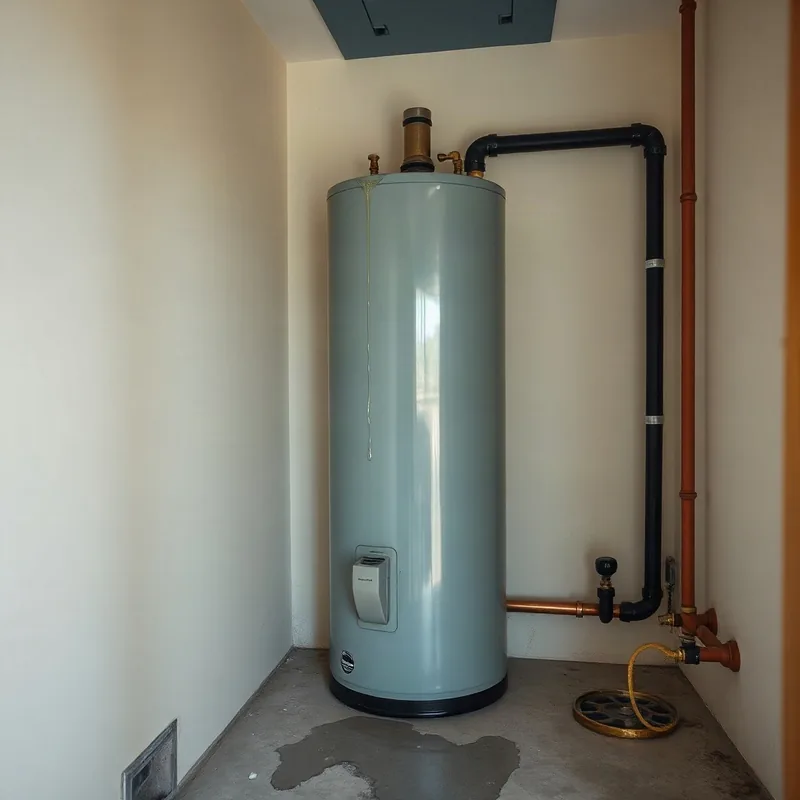
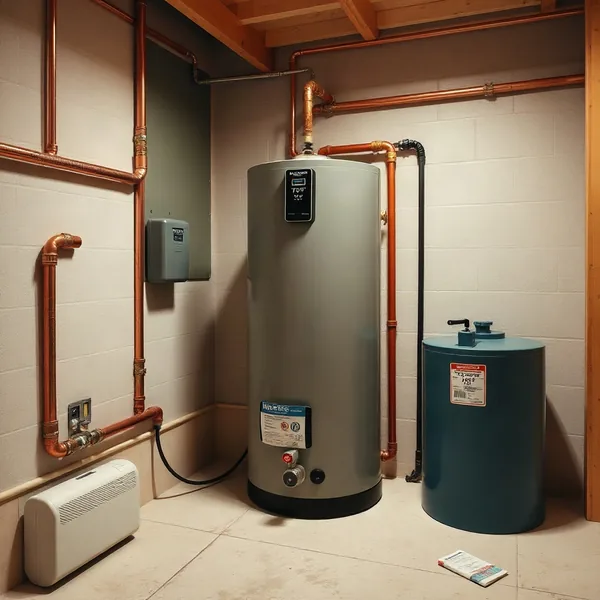
Rusty hot water almost always traces back to one of two causes: a depleted anode rod or advancing tank corrosion inside the heater itself.
The anode rod is a sacrificial metal rod installed in your tank to attract corrosive minerals before they reach the steel walls. Once it's consumed — often within 3–5 years in hard-water areas — tank rust begins. You'll first notice orange or brown tinting when you run hot water. Torrance's municipal water contains enough dissolved minerals to chew through an anode rod faster than manufacturers' ratings assume, meaning a tank that's only 7 or 8 years old can already show signs of internal rust if the rod has never been changed.
02
Is Rusty Water Harmful to Drink or Bathe In?
water safetyiron sediment
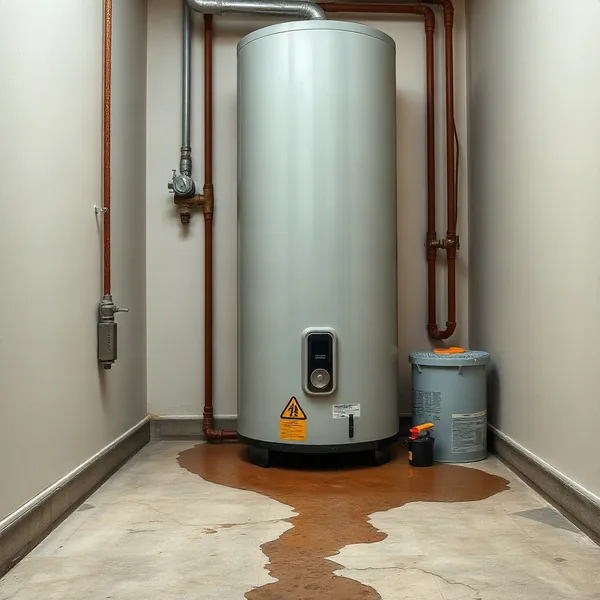
Rusty water isn't acutely toxic — iron oxide at household concentrations isn't classified as a health hazard — but it is a reliable warning that something inside your water heater is failing.
Iron sediment carried in that discolored water gradually clogs fixture aerators, strains appliance valves, and stains laundry and tubs. More importantly, a deteriorating tank interior creates conditions where bacteria can multiply more easily. Water safety concerns compound when the rust is heavy or persistent rather than occasional. If discoloration appears only from the hot tap and has been present for more than a few days, schedule an inspection within the week — not an emergency, but not something to leave for next month.
03
Can an Anode Rod Fix Rusty Water?
magnesium anodealuminum anode
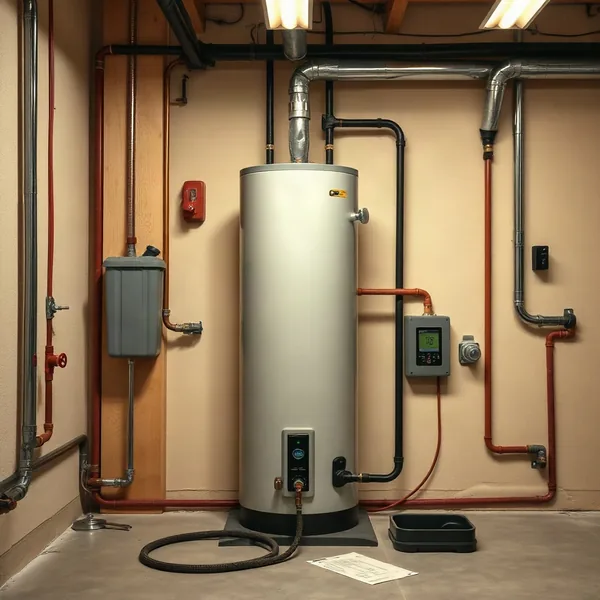
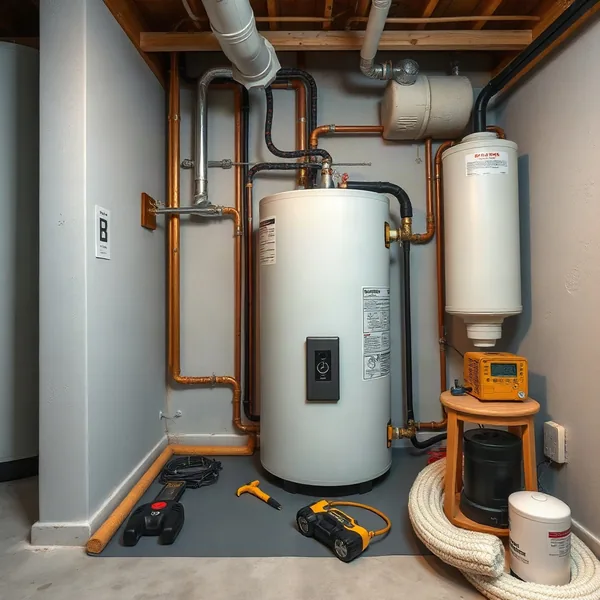
Replacing the anode rod can absolutely stop rusty water — but only if the tank lining itself is still intact.
A fresh magnesium anode or aluminum anode restores the sacrificial protection that keeps steel walls from oxidizing, and many homeowners see clear water return within a day or two of replacement. Magnesium anodes work better in soft water; aluminum anodes handle the mineral load in harder water like Torrance's supply more effectively and last slightly longer. If your heater is under 8–10 years old and the tank shows no pinhole leaks or significant pitting, swapping the anode rod is often the right first move. Beyond that age threshold, a technician's inspection will tell you whether the rod alone is still the best fix for smelly or discolored water.
04
Is Rusty Water From the Water Heater or the Pipes?
galvanized pipehot vs cold test
The fastest way to tell is a simple hot-versus-cold test: run cold water from a tap for two minutes, then switch to hot only.
Clear cold water paired with rusty hot water points directly to the water heater. If both temperatures run discolored, the problem is upstream — likely a galvanized pipe section corroding from the inside. Torrance has a significant share of homes built between the 1950s and 1970s, and galvanized pipe was the residential standard through much of that era. Those pipes rust internally over decades, shedding flakes that tint both hot and cold water. Rust that appears only in hot water and clears after 60–90 seconds usually means sediment has settled at the tank bottom and is disturbing when flow starts.
05
How Much Does It Cost to Replace an Anode Rod or Tank in Torrance?
anode replacement costtank replacement cost
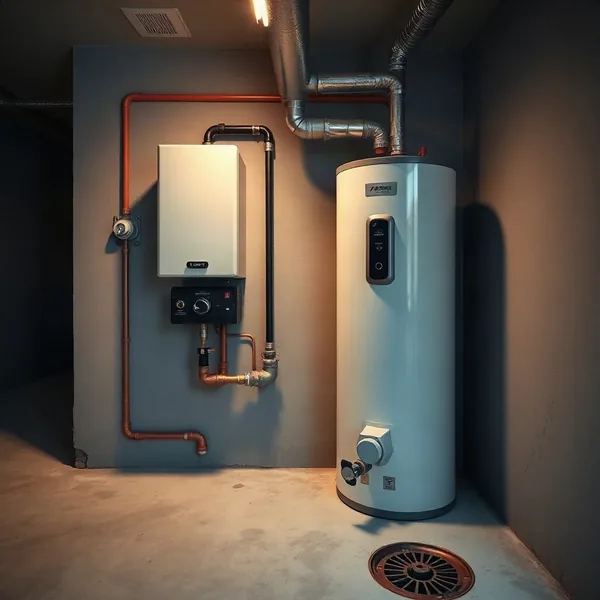
If you're replacing a tank, it's worth asking about SoCalGas rebate programs on qualifying high-efficiency or tankless units — those rebates can reduce net cost by several hundred dollars depending on the model chosen.