01
Why Does My Hot Water Run Out So Fast?
tank capacitysediment loss
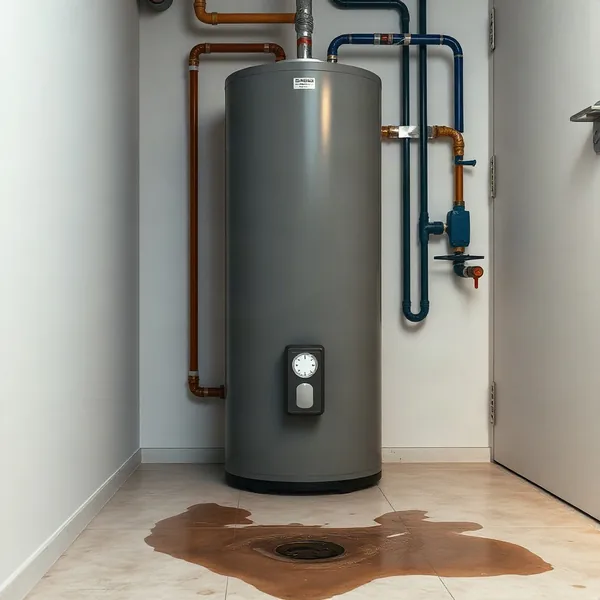
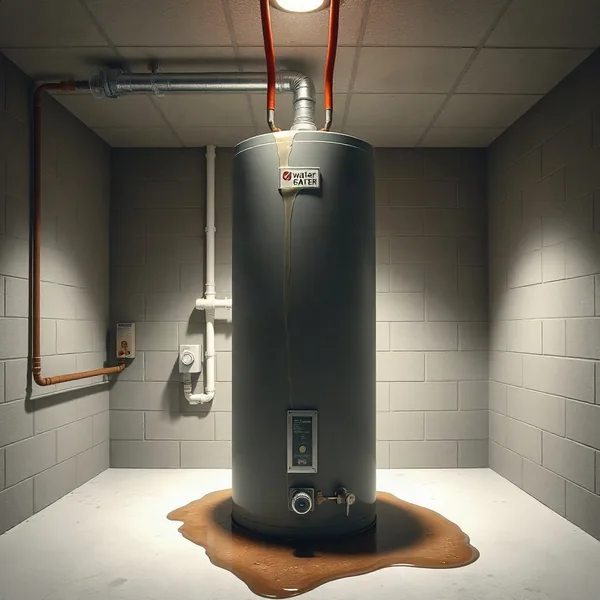
Hot water runs out fast primarily because sediment has stolen usable tank capacity — and in Torrance that process happens faster than in most California cities.
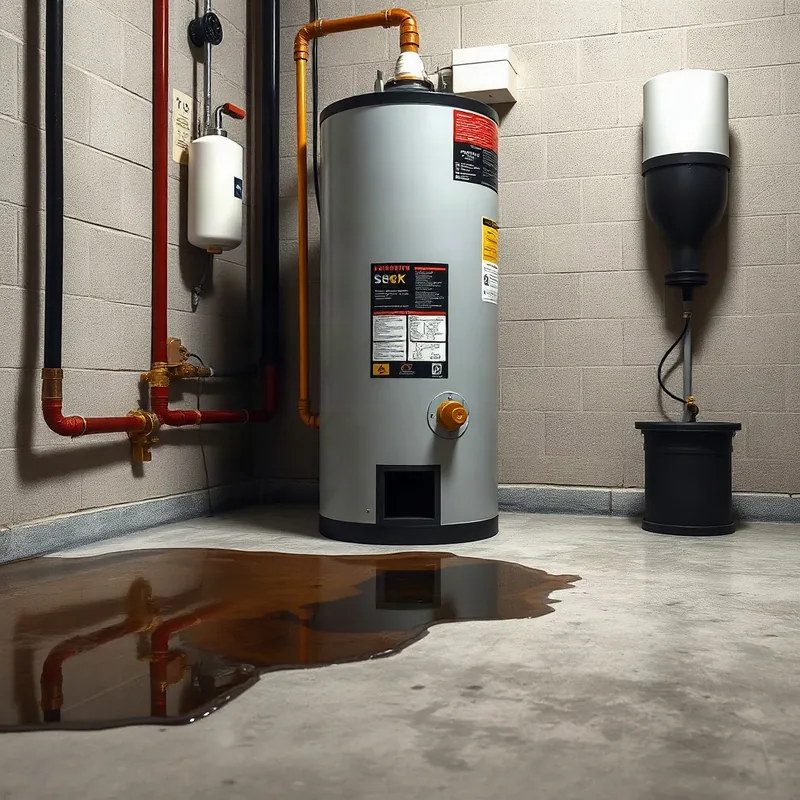
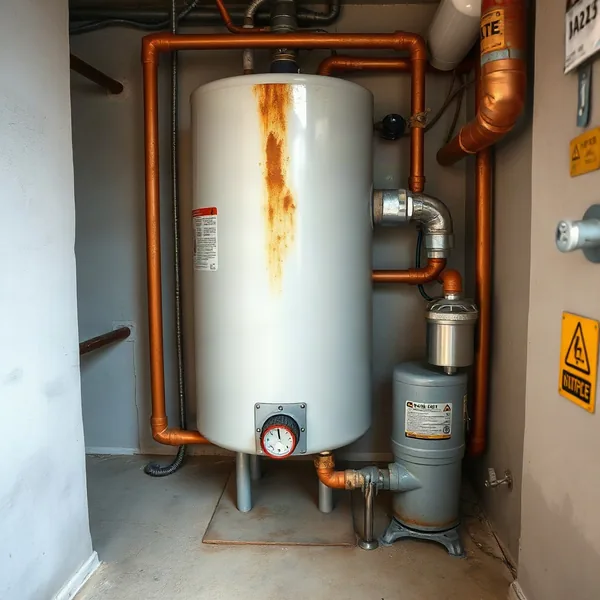
The area's hard municipal water deposits calcium and magnesium minerals on the bottom of the tank year after year, insulating the heating element from the water and reducing how many gallons are actually available. A 50-gallon tank that's carrying 8–10 inches of sediment may deliver only 35 effective gallons before cold water takes over. A professional sediment flush can recover some of that volume, but if the heating element has degraded at the same time, flushing alone won't solve the problem — element testing is the next step.
02
Is My Tank Too Small for My Household's Hot Water Use?
first-hour ratinghousehold demand
Tank capacity is only half the story — the more useful number is first-hour rating, which measures how many gallons a water heater can deliver during the first 60 minutes of use.
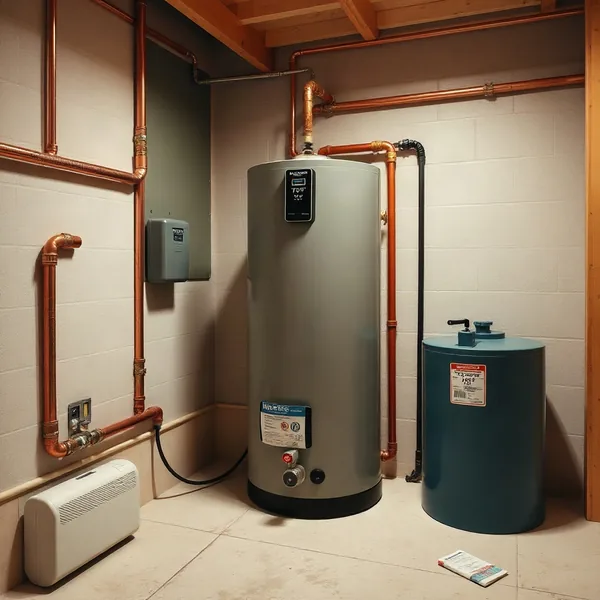
A household of four typically needs a first-hour rating of at least 55–60 gallons. Many Torrance homes built between the 1950s and 1970s were originally fitted with 40-gallon tanks sized for families of two or three. If your household has grown since the unit was last replaced, not enough hot water isn't a malfunction — it's a capacity mismatch. Checking the FHR label on your current heater against your peak morning demand takes about five minutes and tells you whether repair or a larger unit is the right call.
03
Could a Failing Heating Element Cause Faster Hot Water Loss?
lower heating elementdual element tank
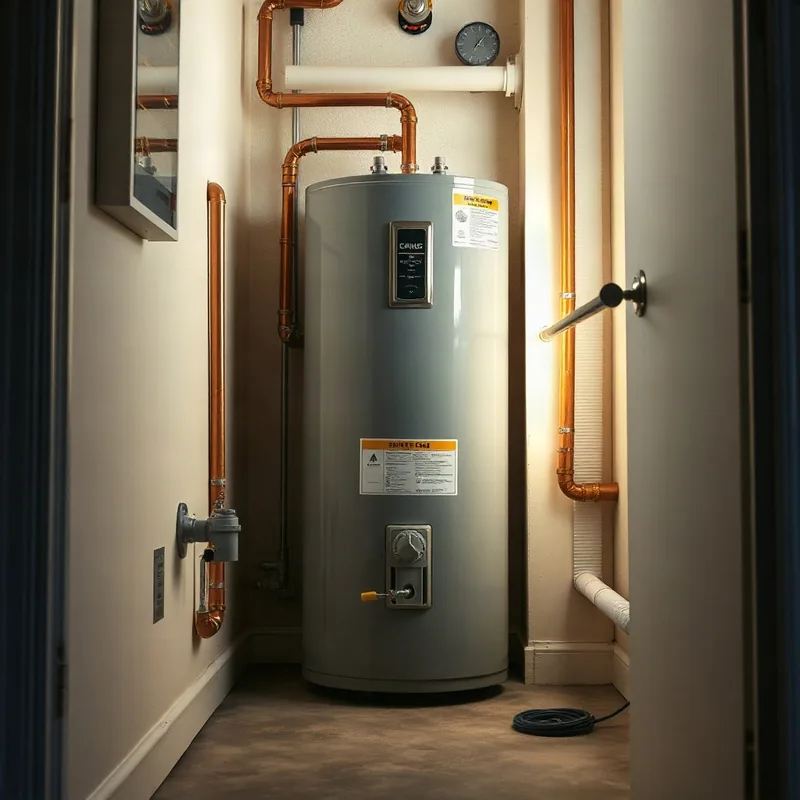
Yes — a failed lower heating element is one of the most common reasons a dual element tank suddenly delivers only 8–10 minutes of hot water instead of 30.
In a standard electric tank, the lower element heats the large bottom portion of the stored volume. When it burns out, only the upper element stays active, warming a much smaller section near the top of the tank. Sediment buildup — accelerated by Torrance's hard water — can also burn out elements prematurely by trapping them in a layer of mineral scale.
04
How Much Does It Cost to Upgrade to a Larger or Tankless Water Heater?
tankless install costlarger tank cost
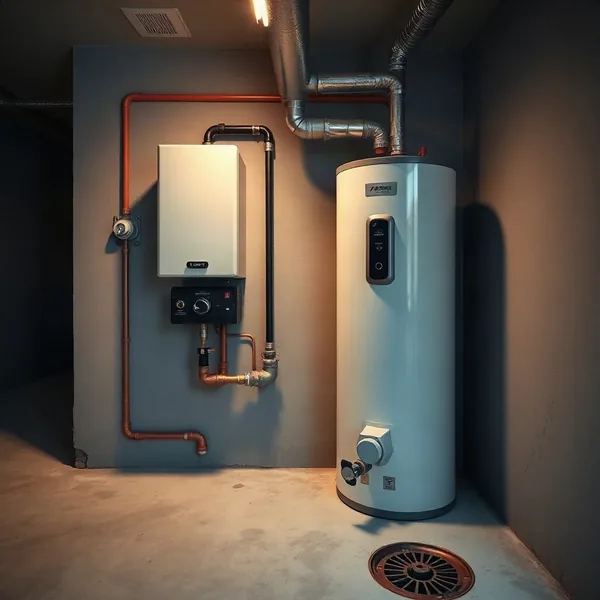
City of Torrance Building and Safety Division permit fees apply to both options. However, Southern California Gas Company (SoCalGas) offers rebates on ENERGY STAR-certified tankless units, and Torrance's mild climate means a tankless unit operates near its rated output year-round, improving the payback timeline compared with colder regions.
05
Can Adjusting the Thermostat Help Hot Water Last Longer?
thermostat settingmixing valve
Raising the thermostat setting from the factory default of 120°F to 130°F increases the stored heat energy in the tank, which effectively extends how long hot water lasts when mixed with cold at the tap.
The tradeoff is a higher scalding risk, which is why most plumbers install a mixing valve at the same time — it blends the hotter tank water back to a safe 120°F at the fixture. That said, if sediment has already reduced usable tank capacity significantly, a thermostat adjustment alone won't compensate — you'll still run out of hot water faster than you should.