01
Why Is My Water Heater Making a Popping or Rumbling Noise?
sedimenttank bottom
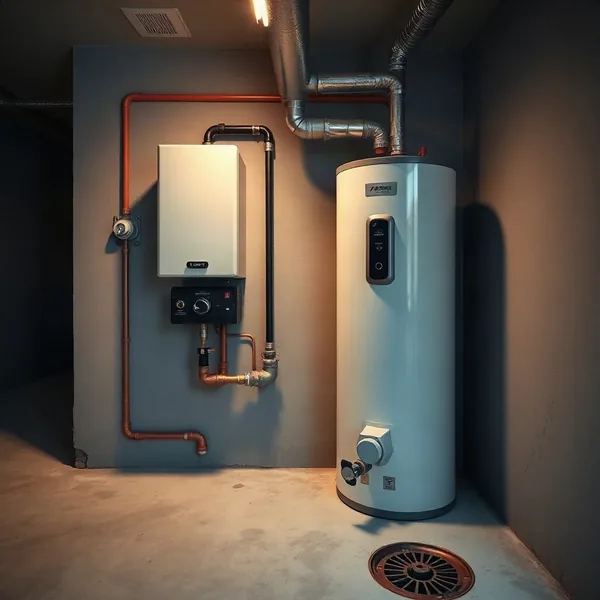
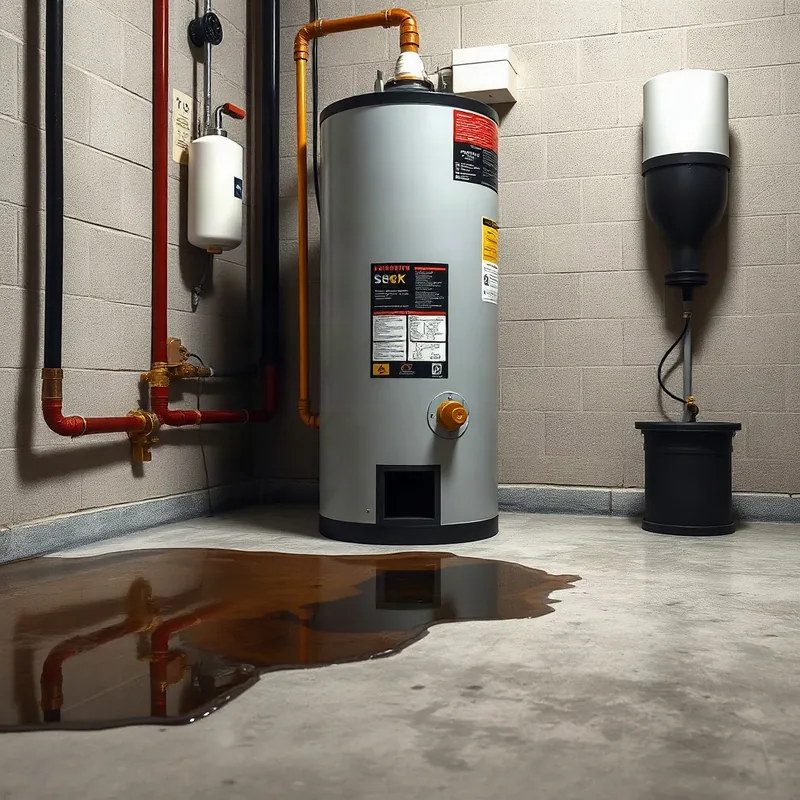
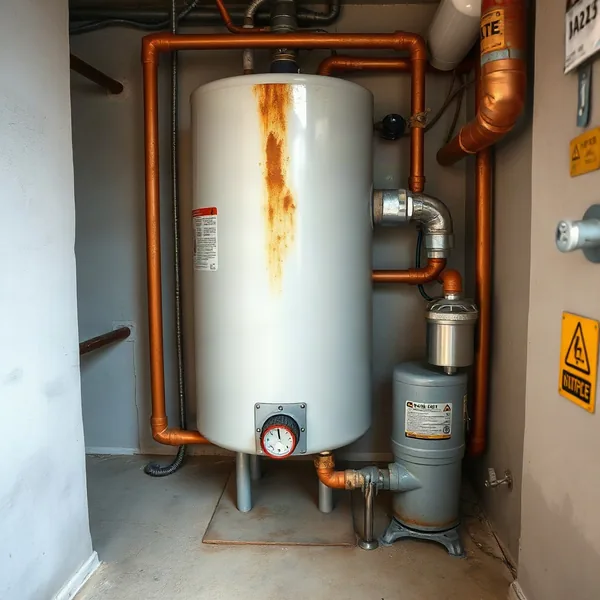
That water heater popping noise is almost always sediment that has settled and hardened on the tank bottom.
Over months of use, dissolved minerals from the water supply sink to the floor of the tank and form a dense, crusty layer. When the burner fires, water trapped underneath heats rapidly — sometimes reaching a boil before it can escape — and forces its way through the sediment as small steam bursts. Each burst produces that distinct pop or rumble you hear. Most homeowners notice it within three to five years of installation, though in areas with elevated water hardness the timeline can be considerably shorter.
02
Do Water Heaters Pop Because of Sediment Buildup?
mineral depositssteam pocket
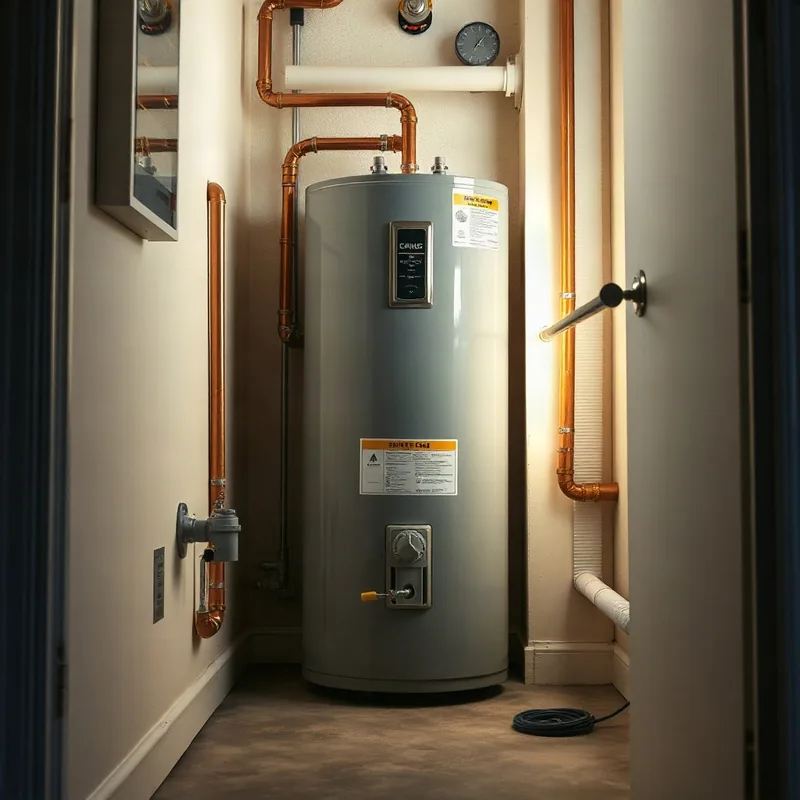
Yes — sediment is the direct cause in the vast majority of cases.
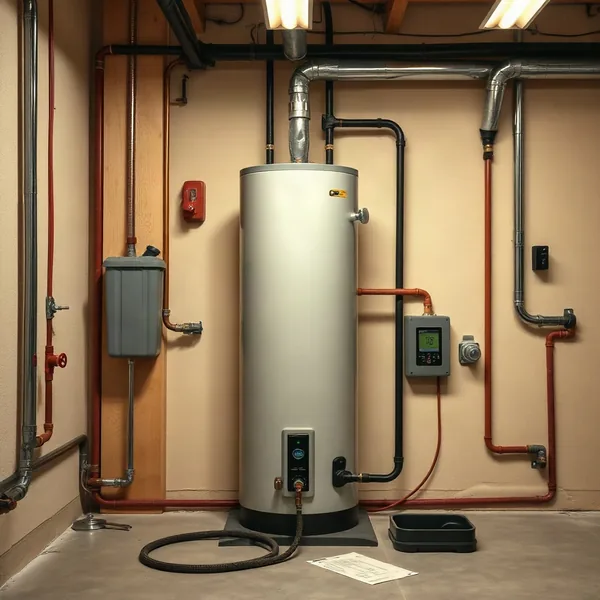
Mineral deposits, primarily calcium carbonate, accumulate on the tank floor and around the heating element over time. The layer acts like an insulating blanket: heat can't transfer efficiently, so water trapped beneath it forms a steam pocket that ruptures upward with an audible pop. The fix is a tank flush, which drains and clears that mineral crust. In straightforward cases, flushing resolves the noise entirely. If the deposits have baked onto the heating element itself, the tech may recommend element replacement alongside the flush — a combined service that typically runs 90 to 120 minutes.
03
Is a Popping Water Heater Dangerous?
tank stressoverheating risk
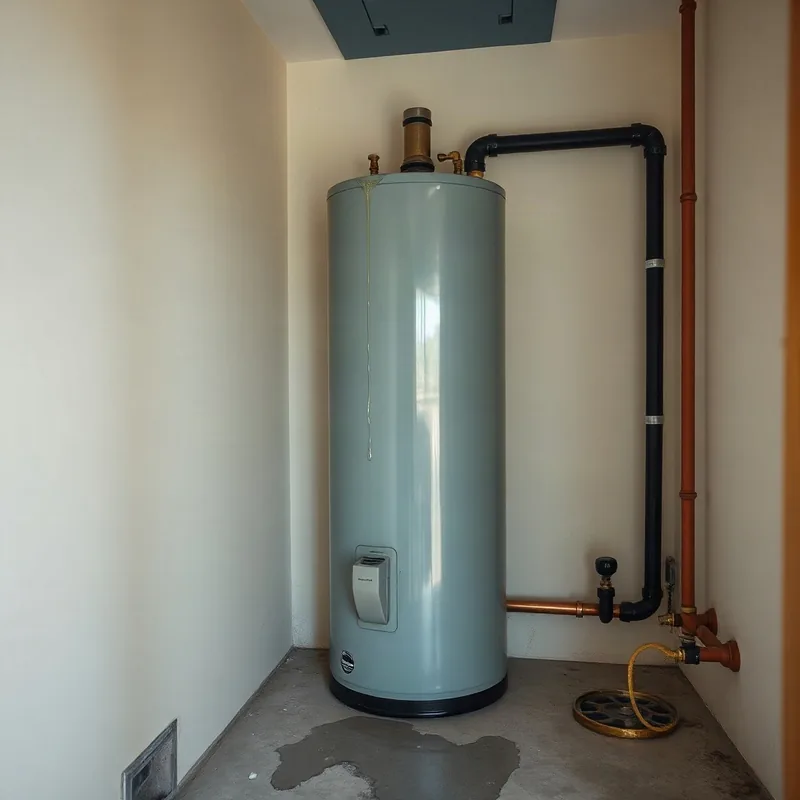
A popping water heater isn't an immediate emergency, but ignoring it does create real risk.
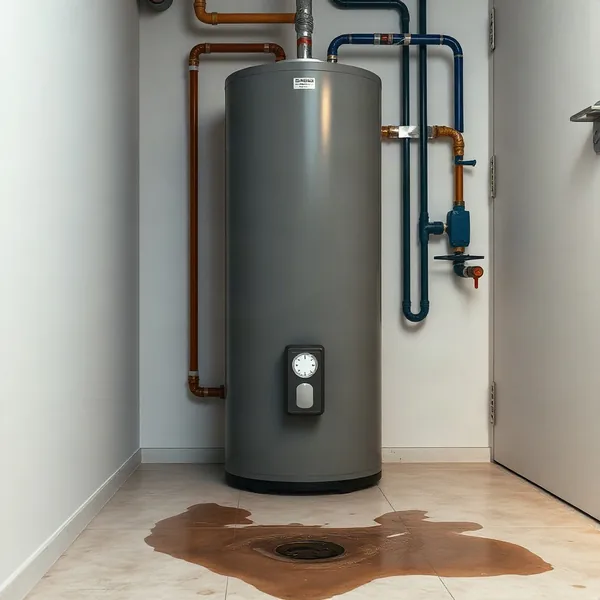
The sediment layer forces the burner to run longer and hotter to maintain the thermostat set point, which causes tank stress — sustained overheating that can crack the glass lining or weaken steel welds over time. That overheating risk also accelerates corrosion from the inside out. The pressure relief valve should still prevent a catastrophic pressure event, but a tank that runs hot for years due to insulating sediment will fail prematurely — often years before its rated 8 to 12 year lifespan. Addressing the noise early is always cheaper than replacing a failed tank on short notice.
04
How Much Does It Cost to Flush a Noisy Water Heater in Torrance?
flush service cost
When a tank is nearing end of life, Torrance homeowners should also ask about SoCalGas rebates on qualifying high-efficiency or tankless replacements, which can offset a significant portion of upgrade costs.
05
Can I Fix the Noise Myself With a Tank Flush?
drain valvegarden hose flush
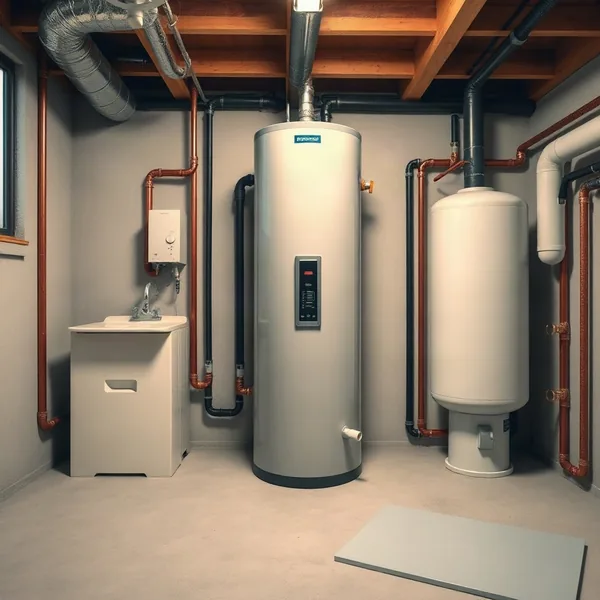
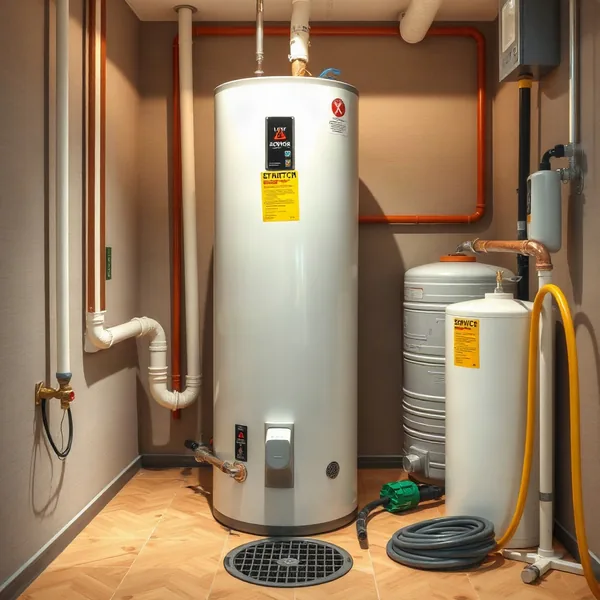
A DIY garden hose flush is possible if your drain valve is functional and fully accessible, but it has real limitations.
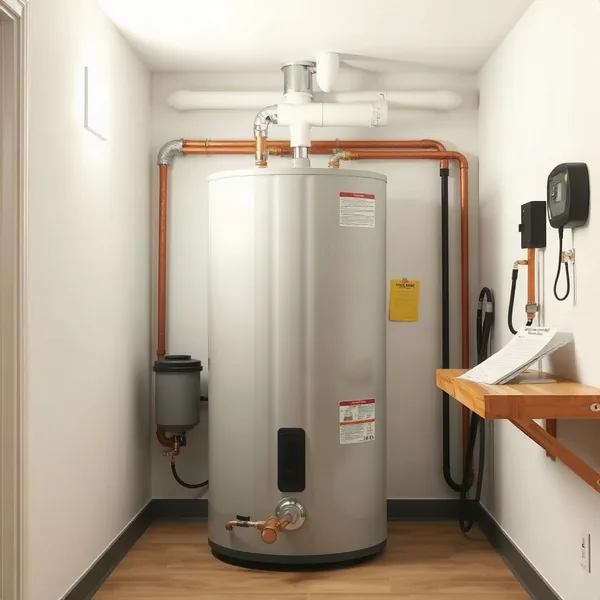
Most homeowners open the drain valve, connect a garden hose flush line, and let the tank empty — but this passive drain rarely dislodges hardened mineral deposits the way a professional power flush does. If the valve hasn't been opened in years, it may leak after being turned, requiring immediate replacement. A licensed technician also checks the thermostat calibration during the visit — settings above 120°F accelerate mineral precipitation and bring the noise back faster. For a first-time flush on a tank that's been silent for years, professional service is the lower-risk call.